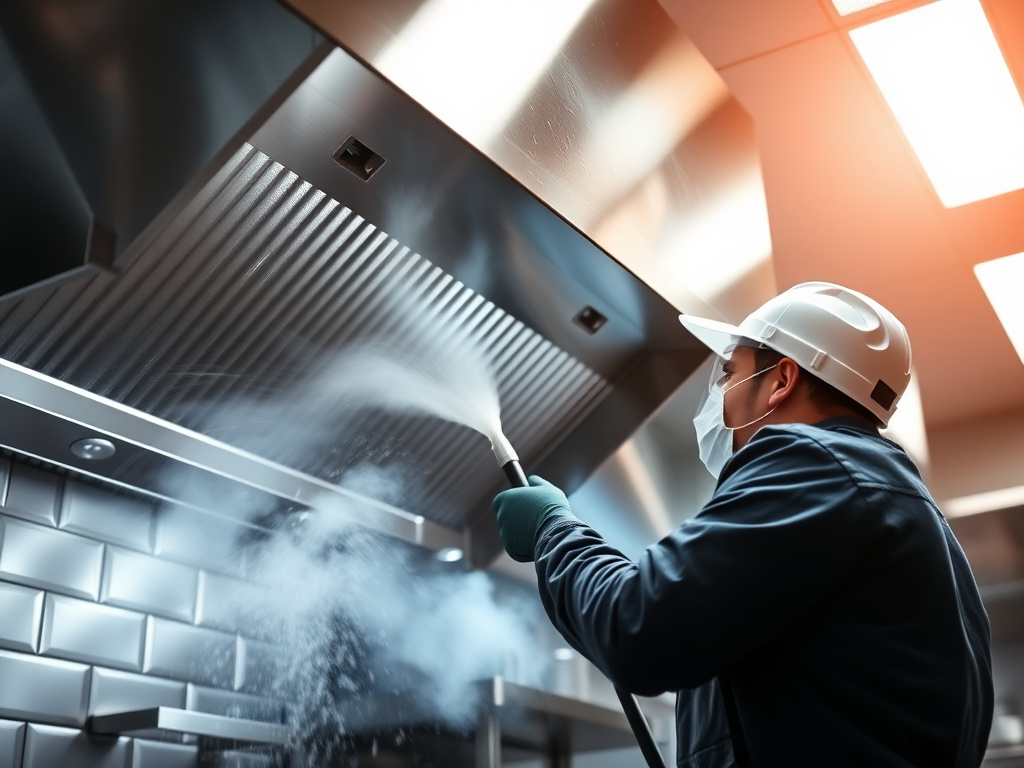
Commercial Kitchen Hood Cleaning to the Bare Metal — Phoenix Metro
Restaurants, hotels, hospitals, schools, and ghost kitchens across Phoenix, Scottsdale, Tempe, Mesa, Chandler, and Glendale trust us to clean the whole exhaust system and hand over the fire-code-ready documentation NFPA 96 requires — usually overnight, so you never close.
Everything Above Your Cook Line, Cleaned and Documented
Nine specialized services covering the entire commercial kitchen exhaust system — from the hood and filters to the rooftop fan and the paperwork that keeps you compliant.
We Don't Just Clean It — We Prove It
A hood that looks clean isn't compliant on its own. NFPA 96 requires documentation, and its 2025 edition added timestamped photos to the list. Every cleaning we do ends with the complete package Phoenix Fire and Maricopa County health inspectors expect to see.
See exactly what you getDated Kitchen Label
Company name and service date, posted on the hood where your inspector looks first.
Access-Panel Service Tags
A tag at every access point, proving the whole system was reached — not just the canopy.
Inaccessible-Areas Report
An honest written report of any spot the ductwork blocks, so you know exactly where risk remains.
On-Premises Certificate
The NFPA 96 certificate Phoenix Fire, your landlord, and your franchisor want to see on file.
Timestamped Photos
Before-and-after photo proof — the 2025-edition requirement most companies quietly skip.
3-Year Record Retention
We keep every certificate and photo set and re-issue same-day if you lose your paperwork.
Your Cleaning Schedule Is Set by Cooking Volume — Not Preference
NFPA 96 Table 12.4 assigns every commercial kitchen a required frequency. Find your row — your fire inspector already knows it.
| Cooking Type / Volume | Required Frequency |
|---|---|
| Solid fuel (wood, charcoal, mesquite) | Monthly |
| Operations cooking > 16 hrs/day2025 update | Monthly |
| High-volume (12–24 hr/day, wok, charbroiler) | Quarterly |
| Moderate-volume | Semi-Annually |
| Low-volume (seasonal, institutional) | Annually |
Source: NFPA 96, Standard for Ventilation Control and Fire Protection of Commercial Cooking Operations, Table 12.4 (2025 edition).
Not sure which tier you fall into? Read our Phoenix compliance guide or request a quick assessment.
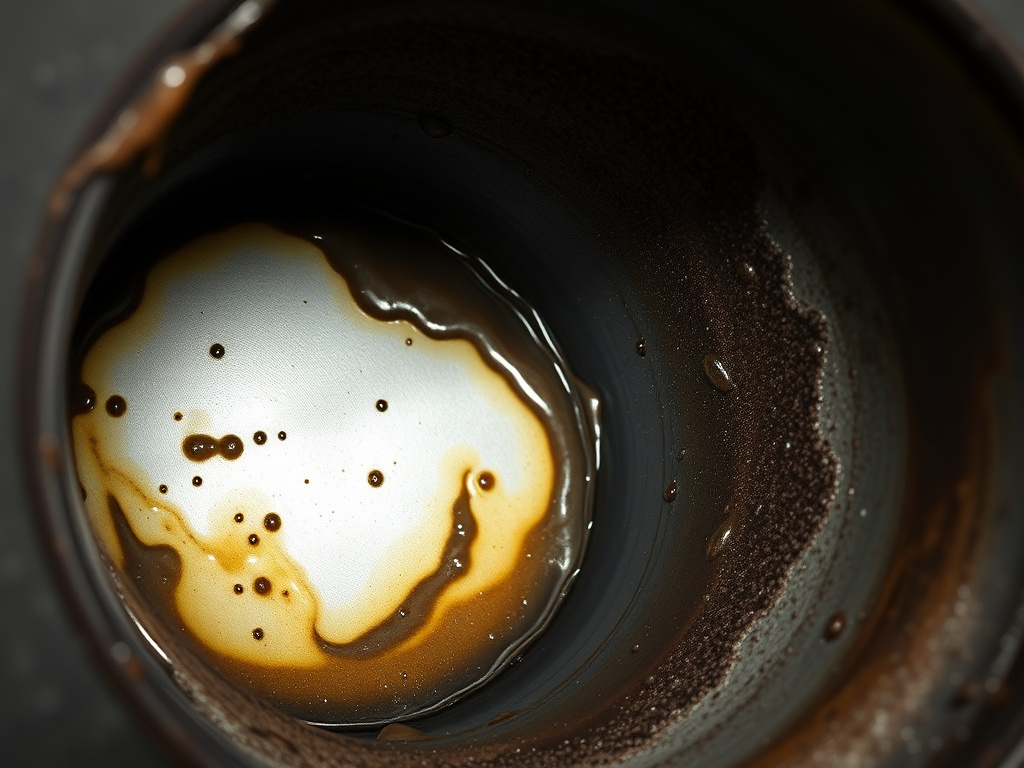 Before
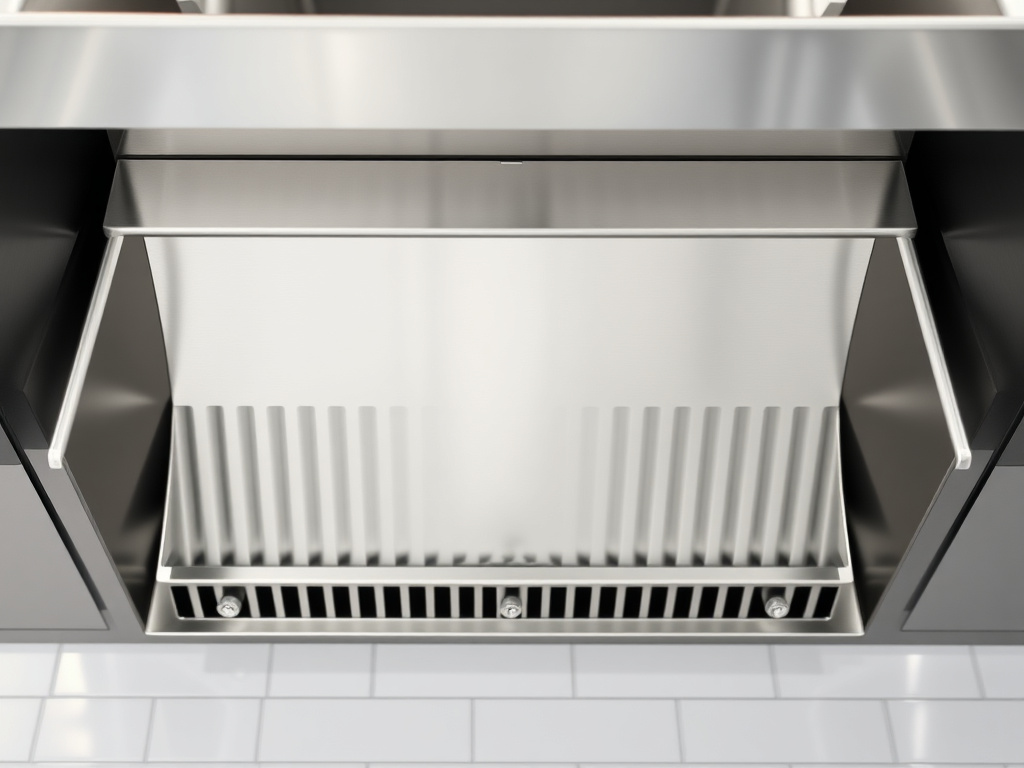 After · Bare Metal
Grease in the Duct Is Fuel Sitting Above Your Cook Line
A single flare-up can ignite accumulated grease, and once a duct fire starts it travels the full run to the roof in seconds — spreading to structure along the way. Cleaning to bare metal removes the fuel. That is the entire point of NFPA 96.
- Failure to clean is a factor in roughly 22% of cooking-equipment fires nationally.
- Phoenix rooftop surface temperatures over 150°F accelerate grease breakdown on exhaust equipment.
- A duct fire travels the full exhaust run to the roof in seconds once it ignites.
Four Steps From Greasy to Certified
Every job runs the same disciplined sequence — the difference between a compliant cleaning and a canopy wipe with a sticker.
Inspect
We assess the whole system — hood, filters, plenum, ductwork, and fan — and photograph the starting condition.
Clean to Bare Metal
Degreaser plus hot-water pressure washing strips grease from every reachable surface down to the steel.
Document
Timestamped before/after photos, service tags at each panel, and a written report of anything inaccessible.
Certify
You get the dated label and NFPA 96 certificate Phoenix Fire and health inspectors expect.
Every Kind of Commercial Kitchen in the Phoenix Metro
Serving Kitchens Across the Valley
Regular route days across the Phoenix metro — not “we'll get down there eventually.”
Answers Phoenix-Metro Operators Ask For Most
Frequency, documentation, cost, and downtime — the essentials before you book a cleaning.
See all 22 FAQsGet a Fire-Code-Ready Hood Cleaning Quote
Same-day quotes. Overnight service. Full NFPA 96 documentation on every visit across the Phoenix metro.