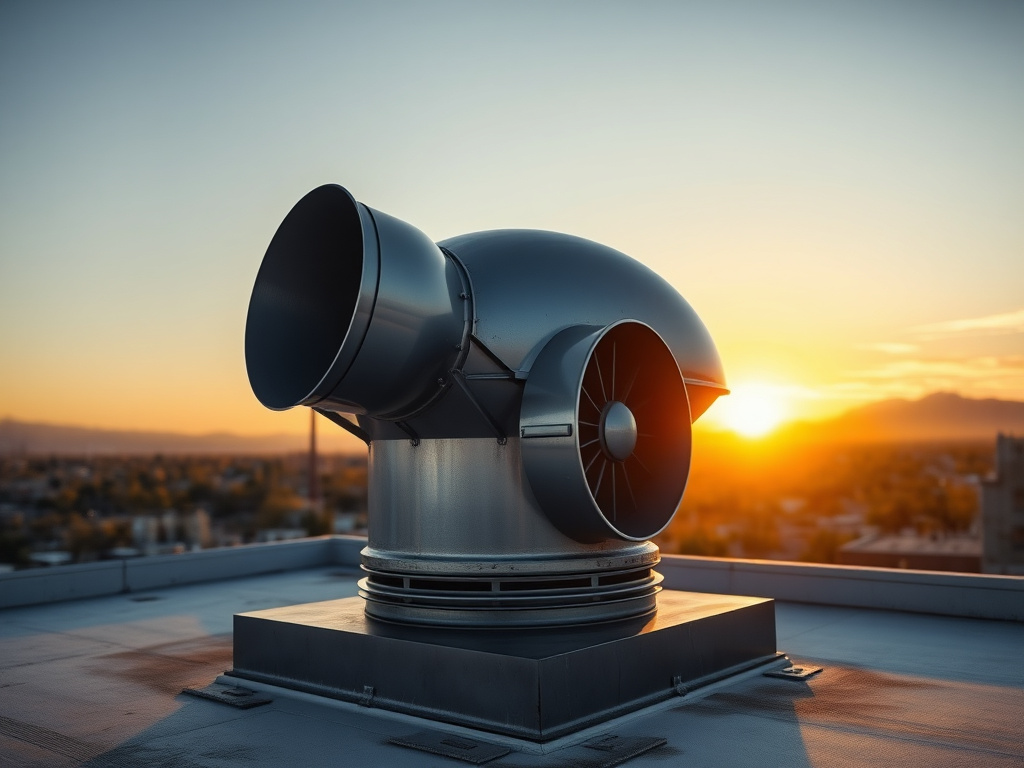
Grease Duct & Rooftop Fan Cleaning in Phoenix — Built for Desert Heat
Grease duct cleaning and rooftop exhaust fan service are sold together for a reason — they're the two parts of the system that fail silently while the hood underneath looks spotless. In Phoenix, rooftop equipment sits under surface temperatures that regularly climb past 150°F in summer, which cooks grease into a hardened, harder-to-remove residue faster than almost anywhere else in the country. We treat duct and fan as one deep technical service, not an upsell tacked onto a basic hood wipe.
What's Included
- Vertical and horizontal duct interior scraped and pressure-washed to bare metal
- Up-blast rooftop fan hinge-kit tip-up cleaning without disconnecting the fan
- Fan wheel, motor housing, and curb degreased and inspected
- Rooftop grease containment pans installed or serviced
- Roof membrane protected from grease contact during and after service
- Written report noting any duct sections without access panels
Why Duct and Rooftop Fan Service Belong Together
Grease moves in one direction through a commercial kitchen exhaust system: from the cook line, through the plenum, up the duct, and out through the rooftop fan. Cleaning the duct without opening the fan leaves the discharge end packed with the same residue you just removed from everywhere below it — and cleaning the fan without clearing the duct just moves the problem downstream for a few weeks.
We schedule and price them as one job because that's how the system actually works. It also means one visit, one crew, and one set of documentation instead of coordinating two separate contractors on two separate timelines.
This is also where a lot of Phoenix-market competitors sell a shallower service than they should — a cheap crew cleans the visible hood and calls it done, without ever going on the roof to open the fan or scraping the duct behind the access panels. See our commercial kitchen hood cleaning page for what a complete service is supposed to cover.
Vertical & Horizontal Duct Run Cleaning
Ductwork accumulates grease unevenly — vertical runs typically carry heavier buildup near bends and transitions, while long horizontal runs collect a steady coating along the bottom surface. We scrape and pressure-wash every reachable section to bare metal, working through existing access panels. Where a run has no panel at all, we document it in writing rather than guess at what's inside, and we can coordinate panel installation so future cleanings reach the full system.
Wastewater from duct cleaning is captured and disposed of properly rather than sent down a floor drain, which matters both for your own plumbing and for staying clear of a separate stormwater or wastewater violation on top of a fire-code one.
Up-Blast Fan Hinge-Kit Service
Most commercial rooftop exhaust fans are mounted on a hinge kit specifically so they can be tipped up for cleaning without disconnecting electrical or ductwork. We open the fan on its hinge, degrease the wheel, housing, and curb, and inspect belts, bearings, and airflow while it's accessible. A fan that was never actually opened on the roof is one of the clearest signs of a cut-corner cleaning — if a crew never went up top, the fan wasn't cleaned, no matter what the invoice says.
A five-minute way to check a prior cleaning: ask whether the crew went on the roof at all. If there's no record of the fan being opened, hinged, or inspected, the discharge end of your system almost certainly wasn't touched.
Rooftop Grease Containment
Grease that reaches the roof surface doesn't stay put. It pools around the fan curb, breaks down under UV and heat, and migrates toward roof drains and scuppers. We install and service containment pans that capture grease at the fan discharge point before it ever contacts the membrane, and we check existing containment systems for overflow or damage on every visit.
Where a property doesn't have containment installed at all, we'll spec and install a system sized to the fan discharge rather than treating it as an afterthought — it's a far smaller investment than a roof-section repair caused by years of unmanaged grease runoff.
Protecting the Roof Membrane
Grease is one of the more aggressive substances a commercial roof membrane comes into contact with — it softens and degrades most roofing materials over time, and repair costs land on whoever holds the lease. For tenants in multi-tenant buildings across Chandler, Tempe, and the Phoenix core, unmanaged rooftop grease is a landlord-relations problem as much as a fire-code one. Containment and regular fan service are the fix, and it's far cheaper than a roof section replacement.
Why Phoenix Summers Make This Worse
Rooftop equipment in the Valley sits under direct sun for months at a time, with membrane surface temperatures well above 150°F through the summer. That heat accelerates the breakdown of grease into a sticky, acidic residue during the day, which then re-solidifies overnight into a harder deposit than you'd see in a cooler climate. Kitchens that would get by on a standard schedule elsewhere often need tighter rooftop attention here — a genuinely local reason to keep this service on a fixed interval rather than an as-needed basis.
Scheduling Duct & Fan Service
Because this work happens partly on the roof, we schedule around weather and roof-access windows as well as your kitchen's operating hours — avoiding peak summer midday heat for crew safety and coordinating with building management wherever roof access requires it. Most jobs run on the same frequency tier as your hood cleaning under NFPA 96 Table 12.4, and pairing both into a single visit is the default rather than a special request. This service also fits naturally into a scheduled maintenance contract so rooftop attention never lapses between full hood visits.
Grease Duct & Rooftop Fan — Common Questions
Ready for Grease Duct & Rooftop Fan?
Get a same-day quote with overnight scheduling and full NFPA 96 documentation.