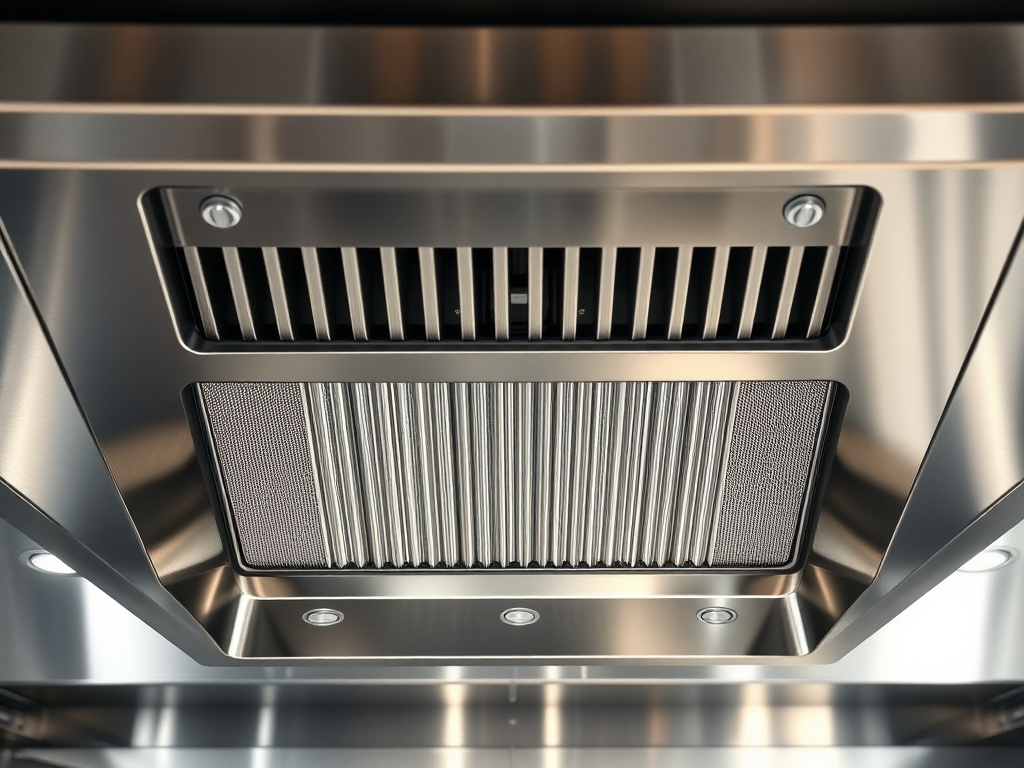
Commercial Kitchen Hood Cleaning in Phoenix, AZ — Bare Metal, NFPA 96 Compliant
Commercial kitchen hood cleaning is the core service every Phoenix-metro kitchen needs on a fixed schedule — not a once-a-year favor, but a code-mandated part of running a foodservice operation. We clean the entire exhaust system to bare metal, not just the visible hood canopy, and every visit ends with the documentation Phoenix Fire Department and Maricopa County inspectors actually ask to see. Whether you run a single restaurant, a hotel kitchen, a hospital cafeteria, or a ghost-kitchen bay, this is the baseline service everything else on this site builds on.
What's Included
- Hood canopy interior and exterior degreased and polished
- Baffle or mesh filters removed, cleaned, and reinstalled (or exchanged)
- Plenum and grease trough scraped and washed to bare metal
- All reachable horizontal and vertical ductwork addressed
- Rooftop exhaust fan hinged open, degreased, and inspected
- On-site certificate, dated hood label, and written service report
What's Included in a Commercial Kitchen Hood Cleaning
A proper cleaning treats your exhaust system as one continuous path, not a set of unrelated parts. We start at the hood canopy — interior and exterior, stainless polished afterward — then pull and degrease every baffle or mesh filter, scrape the plenum and grease trough down to metal, work through the reachable duct run, and finish by hinging open the rooftop fan to clean and inspect it.
For the technical detail on duct runs, hinge-kit fan service, and rooftop grease containment, see our grease duct & rooftop fan cleaning page. This page covers the baseline hood service every kitchen in Phoenix, Scottsdale, Tempe, Mesa, Chandler, Glendale, Gilbert, Peoria, and Surprise needs on a recurring schedule.
The Bare-Metal Standard, Explained
“Bare metal” is the professional standard of care in this trade, and it's the phrase you should hold any contractor to. It means grease is removed down to the underlying steel on every surface we can reach — not smeared thin, not masked with degreaser sheen, not covered by a fresh coat of grease from the next shift's cooking before we've even left the parking lot.
Where ductwork genuinely can't be reached — a long welded run with no access panel — we don't pretend it was cleaned. NFPA 96 requires that inaccessible areas be documented in writing, and that written report is exactly what protects you if a fire marshal or health inspector asks questions later.
NFPA 96 Table 12.4 — How Often Your Kitchen Needs Service
NFPA 96 sets cleaning frequency by cooking volume and duty cycle, not by calendar guesswork. Solid-fuel cooking operations — wood-fired, charcoal, mesquite — are cleaned monthly. High-volume kitchens running charbroilers, woks, or 12–24 hour service fall into the quarterly tier. Moderate volume kitchens are semi-annual, and low-volume or seasonal operations are annual.
Most Phoenix-metro restaurants land in the quarterly or semi-annual tier, but the only way to know for sure is an honest look at your actual cook line and hours — not a sales pitch. If you're unsure where your kitchen falls, we'll classify it accurately before we quote anything.
What Happens If You Skip It
Grease buildup in a hood system is a fire-code violation waiting to be found, and it doesn't wait quietly. A dirty hood is one of the fastest ways to trip a health-department correction notice during a routine Maricopa County inspection, and it's the first thing a Phoenix Fire Department inspector checks when they walk a commercial kitchen. Beyond the paperwork risk, packed grease in a plenum or duct is fuel — it's the difference between a contained flare-up at the cooktop and a fire that travels the exhaust path into the ceiling or onto the roof.
In the Phoenix metro specifically, skipped cleanings also compound faster than they would in a milder climate. Extreme summer heat accelerates the breakdown of grease sitting in a plenum or duct, turning what would be a manageable buildup elsewhere into a harder, more flammable deposit here after just one missed service window.
Phoenix Fire Department Documentation Requirement
Phoenix Fire Code requires an on-premises certificate — company name, technician name, and date of service — kept where an inspector can find it, plus a written report noting any areas that weren't accessible during the cleaning. We leave both behind on every job, along with dated service tags at access panels and timestamped before/after photos, so your kitchen is never caught without proof of compliance.
That same visit typically satisfies the separate exhaust-system checks a Maricopa County health inspector runs during a routine food-safety inspection. The two agencies look for different things — fire code versus food safety — but one thorough cleaning and one complete documentation package covers both without a second vendor or a second visit.
One Service, Every Kitchen Type
Restaurants, bars, hotel and resort kitchens, hospital and school cafeterias, and ghost-kitchen or commissary bays all run on the same NFPA 96 requirement — only the scheduling constraints change. If your operation has segment-specific needs, see our pages for hotel & resort kitchens, schools & hospitals, and ghost kitchens & commissaries. We also run recurring maintenance contracts for operators who'd rather lock in a schedule and pricing than call for each visit individually, and stand-alone filter exchange service for kitchens that need cleaner filters between full hood cleanings.
Serving the Phoenix Metro
We run commercial kitchen hood cleaning across Phoenix, Scottsdale, Tempe, Mesa, Chandler, Glendale, Gilbert, Peoria, and Surprise. That metro focus — rather than trying to cover all of Arizona — means tighter routing, faster response windows, and crews who know the local restaurant corridors, resort properties, and institutional kitchens they're servicing rather than driving in blind from out of the valley.
Commercial Kitchen Hood Cleaning — Common Questions
Ready for Commercial Kitchen Hood Cleaning?
Get a same-day quote with overnight scheduling and full NFPA 96 documentation.